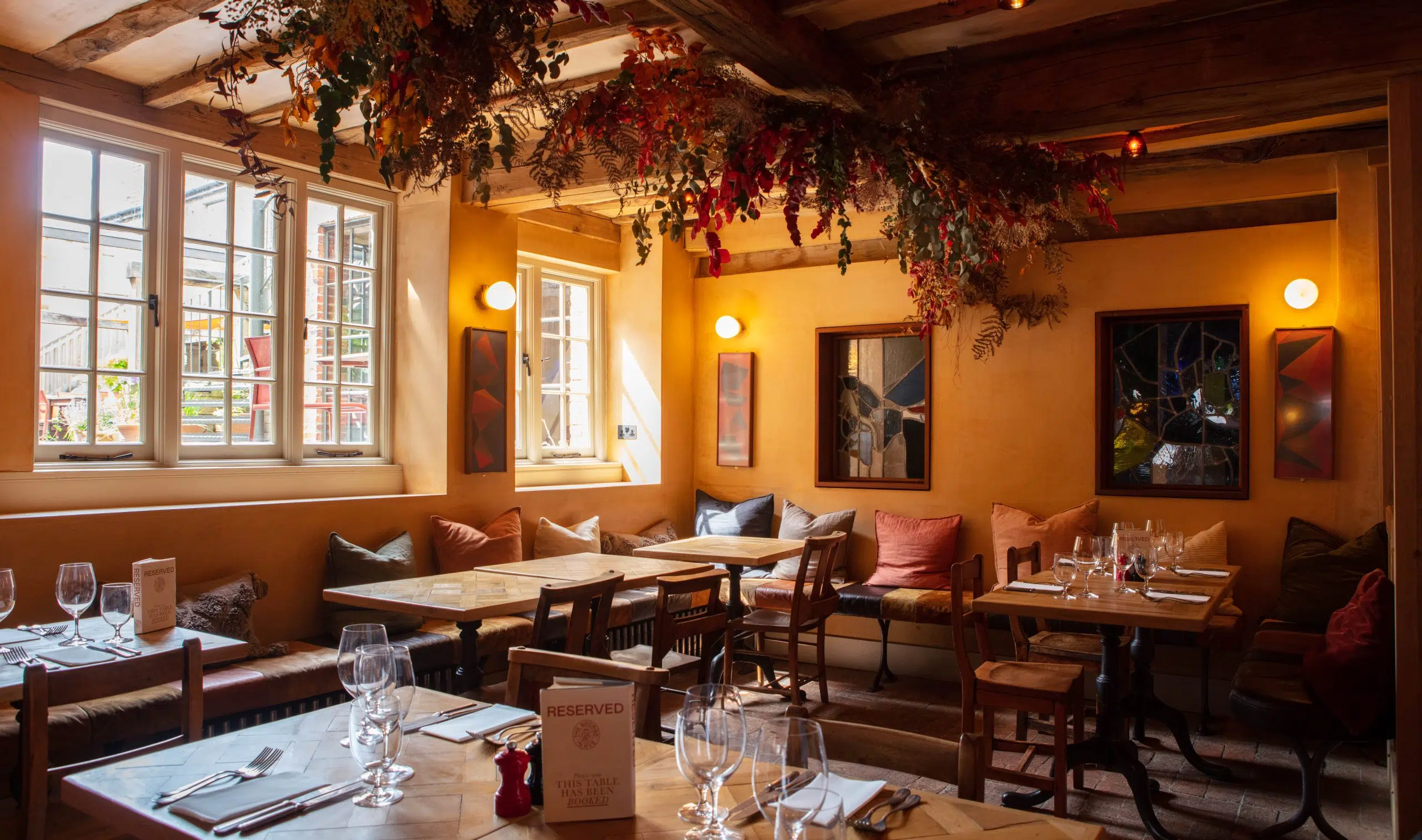
The George in Rye
Originally a sixteenth-century coaching inn, The George in Rye is now a beautifully reimagined luxury retreat in the heart of medieval Rye.
The Grade II listed building, dating back to 1575, has been carefully restored to honour its historic character, showcasing Elizabethan beams, oak floorboards and a wealth of charming quirks, complemented by thoughtful contemporary details.
Each of the rooms has its own distinct personality, using the historic fabric of the building as a backdrop for eclectic, contemporary design. One might greet you with calming natural driftwood, while another delights in rich burnt-orange hues, with green accents flowing through every corner – all thoughtfully layered with an artful mix of antique and modern pieces. Bathrooms are just as characterful, many featuring indulgent copper roll-top tubs and stocked with luxury soap and shampoo from local supplier Verden, adding a distinctly sensory touch to every stay.

Beyond its rooms, The George offers a beautifully crafted menu centred on the charcoal-fired George Grill, where seafood freshly landed from Rye Bay is fast-cooked alongside local meats and seasonal vegetables, celebrating regional produce and flavours.
Whether curling up by the fire with a good book or hosting an unforgettable wedding in the elegant Georgian Ballroom, The George in Rye is the perfect setting for a truly memorable escape.

Things to do in Rye
Rye itself is unlike anywhere else in England – a medieval town seemingly locked in time. Steeped in history, its cobbled streets are lined with independent shops, charming cafés and a wealth of antique furniture stores, making it an idyllic escape for couples, design lovers, foodies and the creatively inclined.
For an introduction to Rye’s past, there is no better place to start than the Rye Heritage Centre, where visitors can learn about the town’s smuggling and maritime history. Literary enthusiasts can explore Lamb House, the former home of author Henry James, while Rye Castle, built in the 13th century and perched at the top of the town, offers spectacular views across the surrounding landscape.

Photo - Rosie Powell
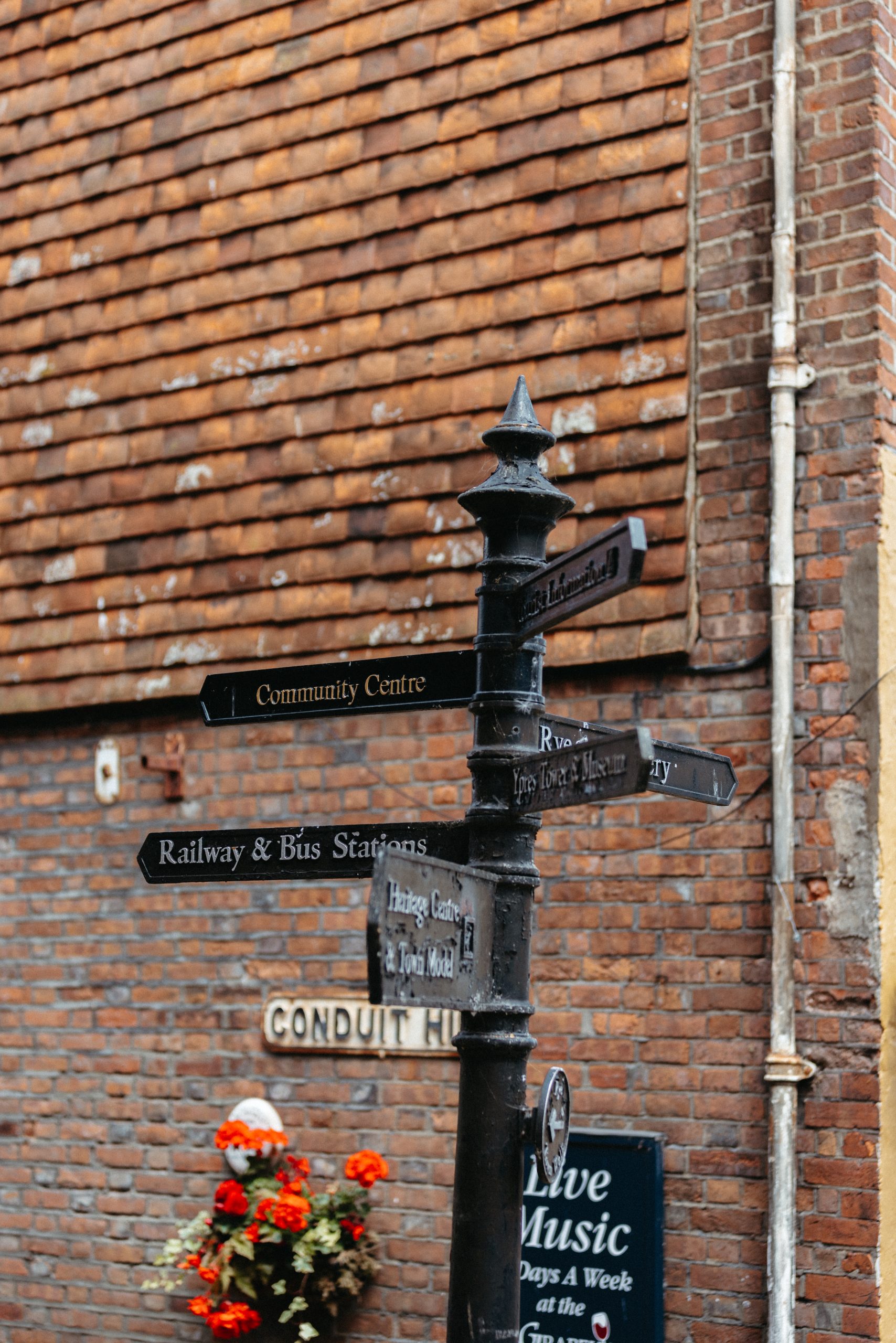
Photo - Rosie Powell
 Add to Favourites
 View on Explore Map
You may also like
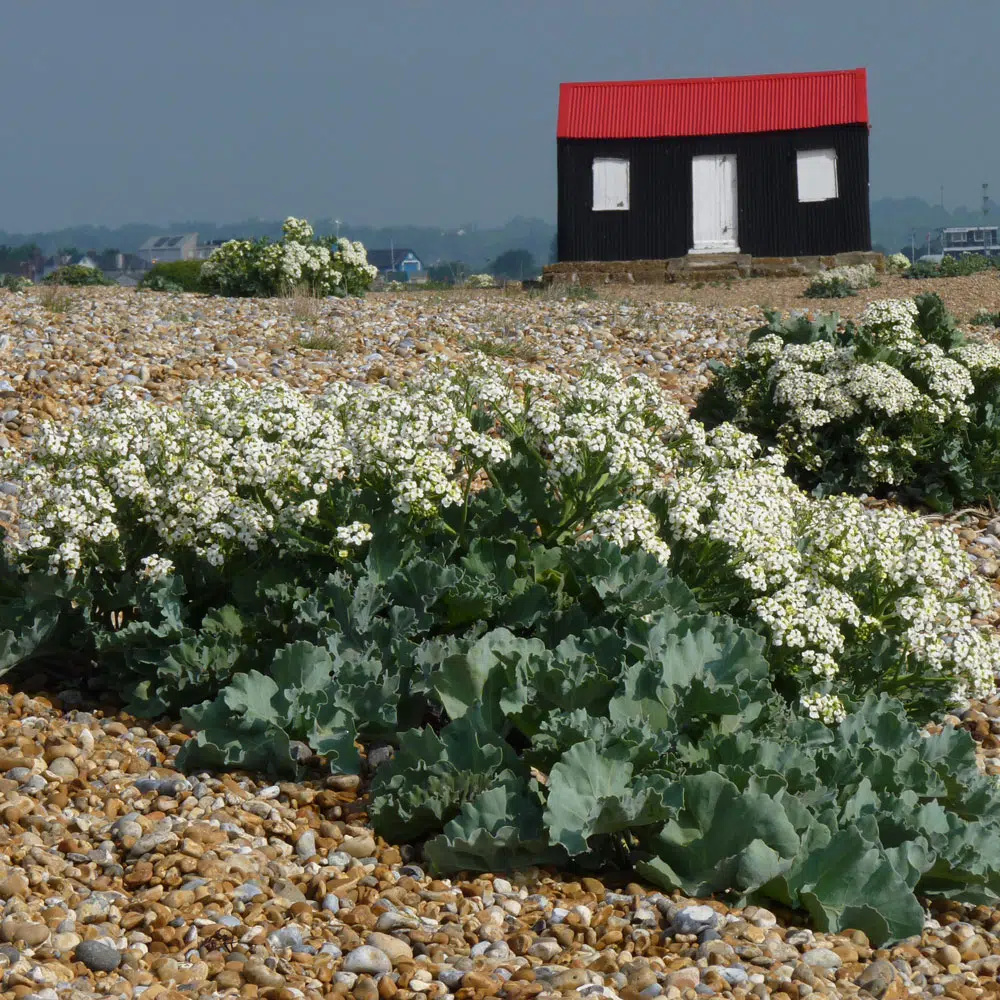
Rye Harbour Nature Reserve
Landscape
Sussex Wildlife Trust’s nature reserve is a 465 hectares mosaic of coastal habitats – shingle, saltmarsh, saline lagoons, coastal grazing marsh, freshwater ditches and gravel pits, and reedbeds. It is home to 4,500 species of plants and animals of which more than 300 are nationally rare or endangered.
Three Rivers and a Citadel: Rye’s Quiet Hinterland
Story | Art | Landscape | Wine
There’s a gentle landscape that follows the eastern margin of Sussex. It unfolds across the Weald through ancient woodlands, broadening out to a quiet hinterland, a place defined by its three rivers.
Coastal Culture Trail
Art | Story
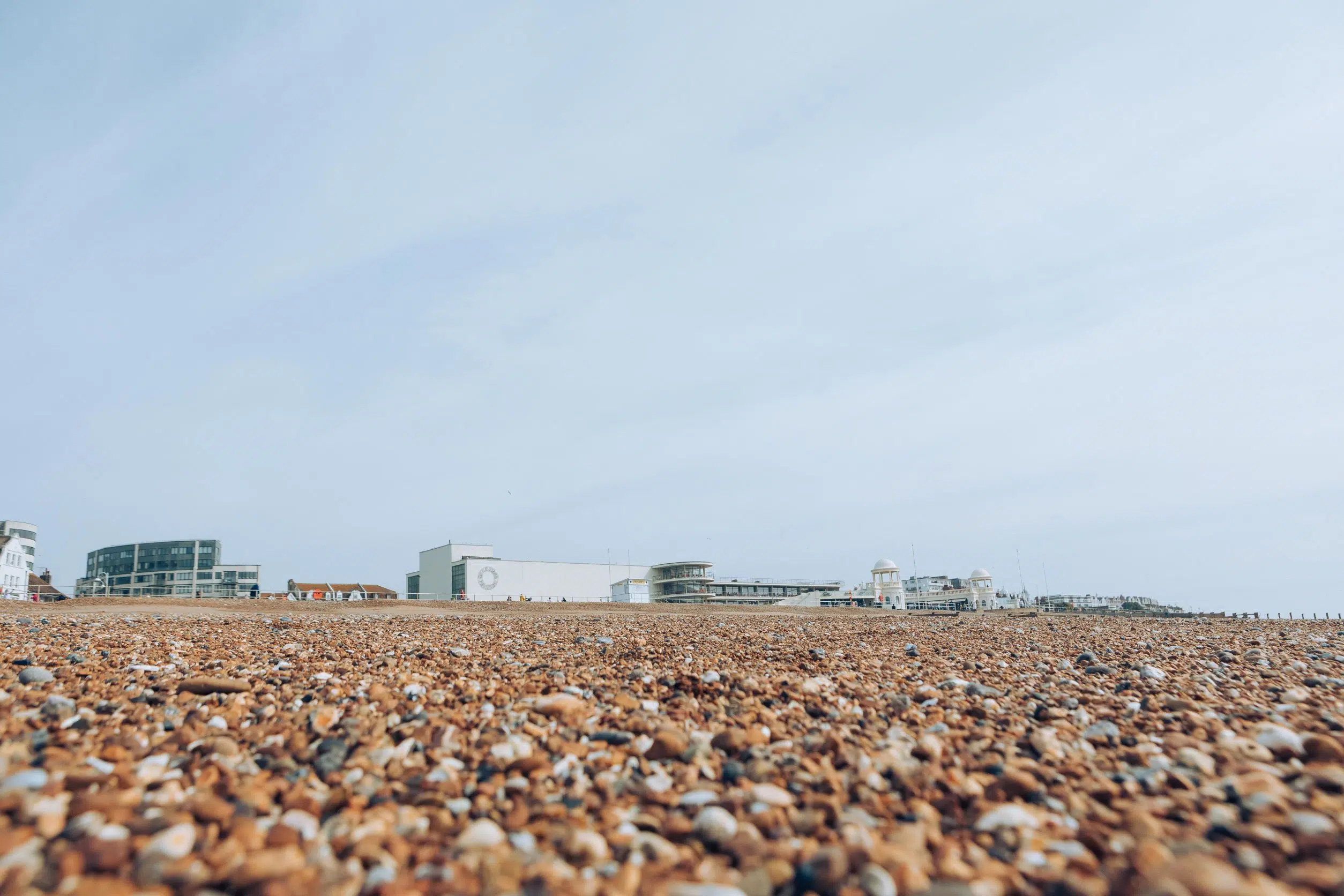
Take the Coastal Culture Trail between three award-winning galleries: Towner Eastbourne, De La Warr Pavilion, and Hastings Contemporary.

Tillingham
Wine
Set amongst 70 acres of rolling hills and woodlands with far reaching views along the Tillingham River valley.